
Table of Contents
When most Canadians think of “Indian food,” they envision a standardized menu: butter chicken, naan, samosas, and perhaps a generic “curry.” While these dishes have become beloved staples, this oversimplified view does a tremendous disservice to one of the world’s most diverse and sophisticated culinary traditions. India’s regional cuisines are as varied as its languages, landscapes, and cultural practices—and understanding these differences is essential for any serious food enthusiast.
At TK Ultra Lounge, we’ve built our reputation on honoring these regional distinctions. Our menu doesn’t simply offer “Indian food”—it offers Delhi Wala Butter Chicken, Hyderabadi Goat Biryani, and Peshawri Kadhai Goat, each representing distinct culinary traditions with centuries of history. This commitment to regional authenticity isn’t just about flavor—it’s about cultural respect, culinary education, and delivering the sophisticated dining experience that modern consumers deserve.
This year, step into a world where ancient customs meet modern luxury. Welcome to TK Ultra Lounge: more than a restaurant, it’s a destination.
Understanding India's Culinary Diversity: The Numbers
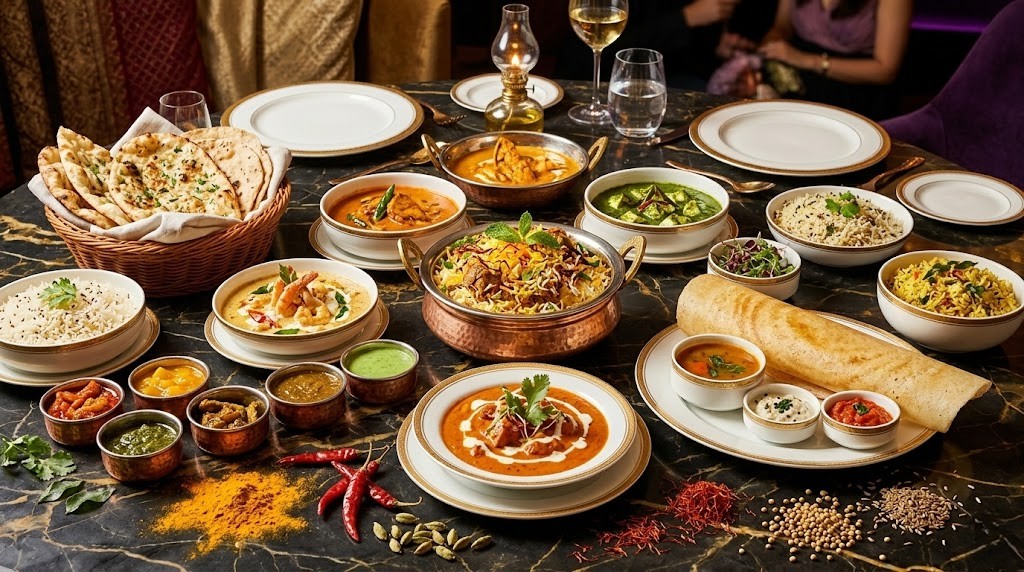
To truly appreciate the complexity of Indian cuisine, consider these statistics: India is home to 28 states and 8 union territories, each with its own distinct culinary traditions. The country recognizes 22 official languages, and researchers have identified over 1,600 distinct regional dialects. This linguistic and cultural diversity translates directly into gastronomic diversity (Culinary Institute of India, 2023).
Key Statistics on Indian Culinary Diversity:
- Over 31 distinct regional cuisines documented across India
- More than 200 traditional cooking techniques specific to different regions
- Approximately 2,000 varieties of rice cultivated, each suited to specific regional dishes
- Over 50 different types of bread (roti, naan, paratha, etc.) across regions
- Climate ranges from Himalayan cold to tropical heat, directly influencing ingredient availability
According to research by the Indian Council of Agricultural Research, regional cuisines evolved over millennia based on local agriculture, climate, religious practices, and historical trade routes. What we casually call “Indian food” is actually dozens of distinct culinary systems, each with its own logic, techniques, and flavor profiles (ICAR, 2024).
The Major Regional Cuisines: A Comparative Overview
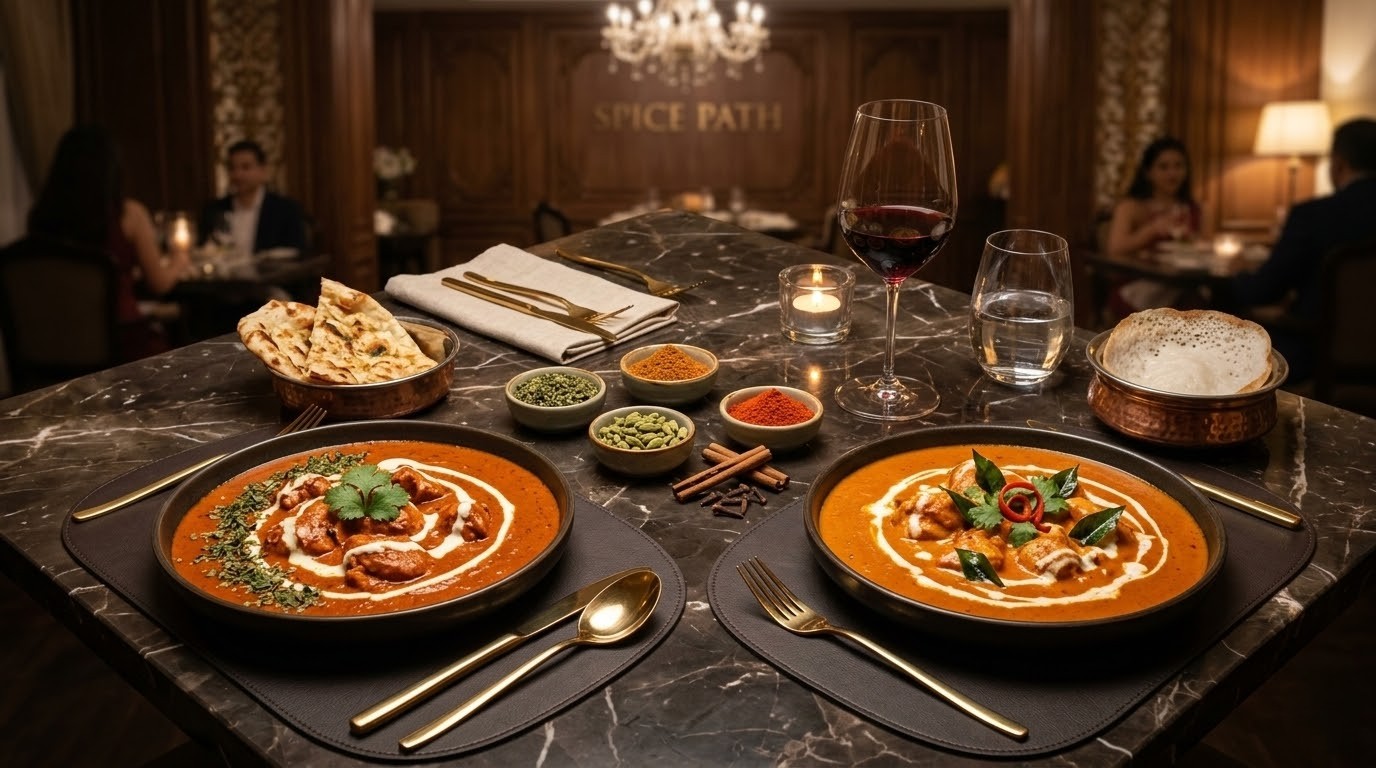
Why Regional Distinctions Matter in Modern Dining
In an era of globalization and fusion cuisine, one might ask: why does regional authenticity still matter? The answer lies in both cultural integrity and culinary excellence. When restaurants blur regional distinctions, they don’t just lose flavor—they lose the entire philosophical framework that makes each cuisine unique.
The Case for Authenticity:
Flavor Complexity:
Regional cuisines developed over centuries to optimize flavor profiles for specific ingredients. A Delhi-style butter chicken uses a different tomato-to-cream ratio than a Punjabi version, creating distinctly different taste experiences.
Cultural Respect:
Honoring regional distinctions shows respect for the communities that created these dishes. It acknowledges that Indian cuisine isn’t monolithic—it’s a tapestry of distinct cultures.
Consumer Education:
Educating diners about regional differences elevates their culinary literacy and appreciation, transforming a meal into a learning experience.
Competitive Differentiation:
In a crowded restaurant market, regional specificity becomes a powerful brand differentiator. It signals expertise, authenticity, and quality.
Ingredient Integrity:
Each regional cuisine evolved around locally available ingredients. Respecting this means using appropriate substitutions rather than randomly mixing elements.
According to a 2024 study by the International Journal of Gastronomy and Food Science, restaurants that clearly identify regional origins on their menus see a 34% increase in customer satisfaction scores and a 28% higher likelihood of repeat visits compared to those offering generic “Indian cuisine” (IJGFS, 2024).
Consumer Preferences: Regional Authenticity vs. Generic Indian Food
Source: International Journal of Gastronomy and Food Science, 2024
The Evolution: From Traditional Technique to Modern Innovation
Understanding regional cuisines doesn’t mean being trapped in culinary amber. The most exciting developments in contemporary Indian dining involve chefs who deeply understand traditional techniques and then thoughtfully innovate within those frameworks.
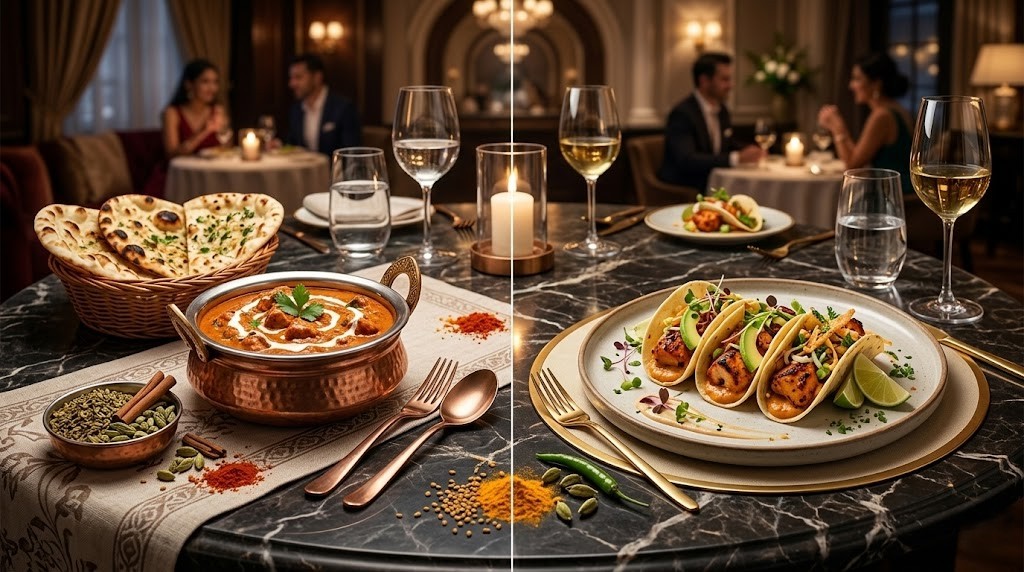
At TK Ultra Lounge, we honor this balance. Our Delhi Wala Butter Chicken follows the traditional Delhi preparation method—using a specific ratio of tomatoes, cream, and kasuri methi (dried fenugreek leaves) that creates the authentic flavor profile. But we also offer innovations like Butter Chicken Tacos, which take that same authentic preparation and present it in a format designed for social sharing and modern dining preferences. For more on our approach to balancing tradition and innovation, visit our blog for regular culinary insights.
Modern Innovations Rooted in Regional Traditions:
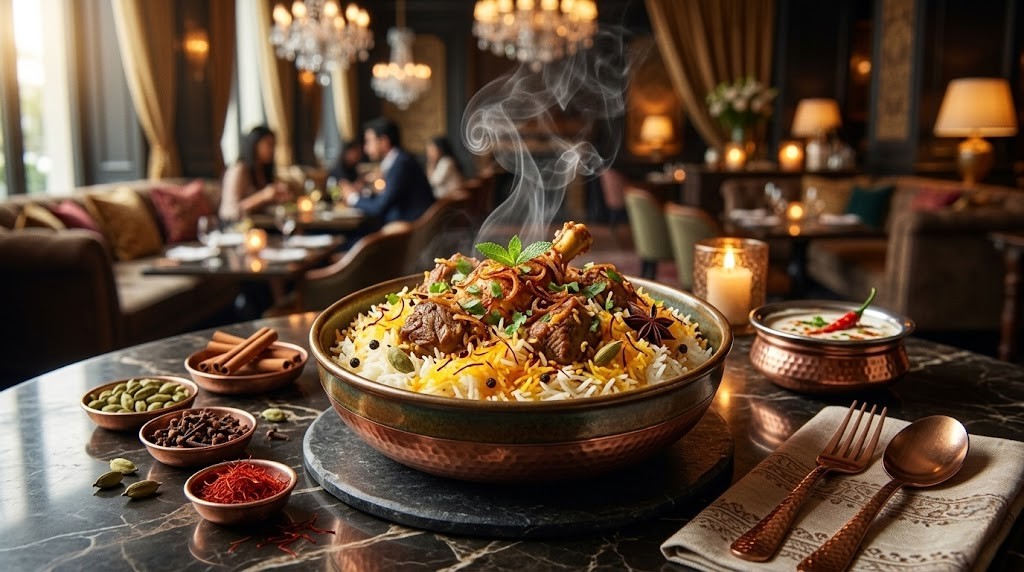
Hyderabadi Biryani Bowl
Traditional dum-cooked biryani served in a modern bowl format for convenience without compromising flavor layering
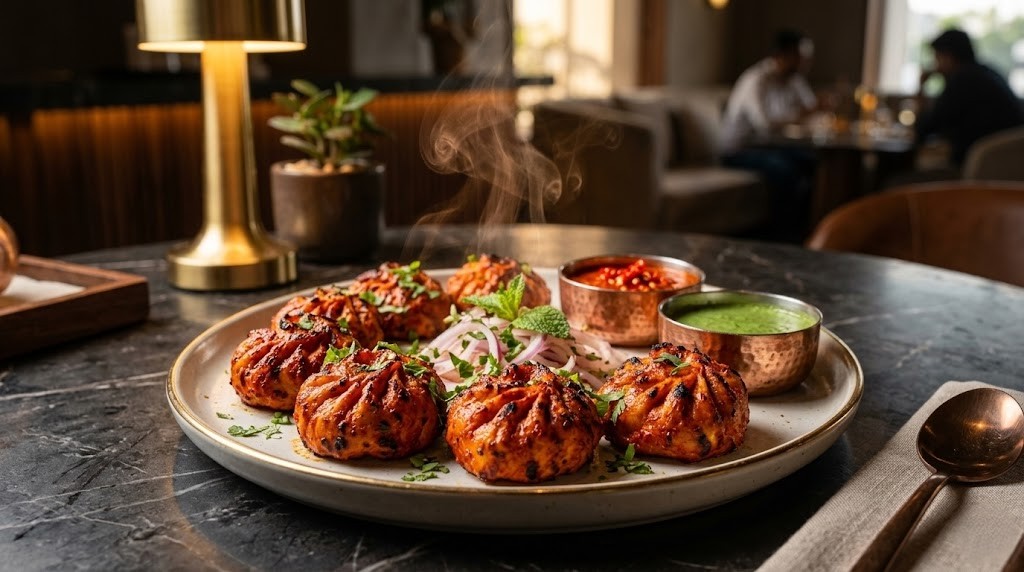
Tandoori Momos
Himalayan dumplings prepared using Punjab's signature tandoor technique, creating a fusion that respects both culinary traditions
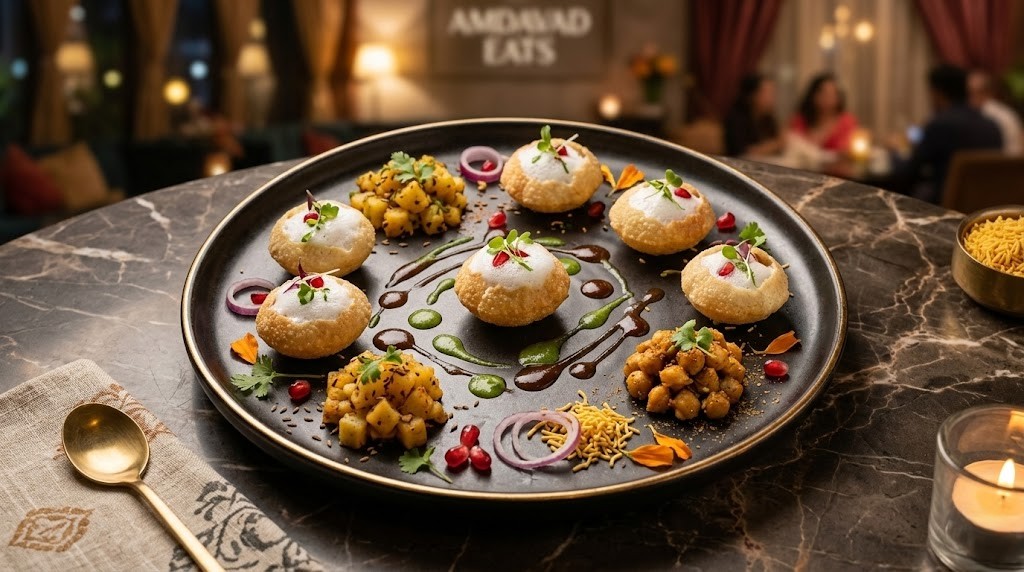
Deconstructed Chaat
Street food elements presented with fine-dining plating while maintaining the essential flavor contrasts of sweet, sour, spicy, and crunchy
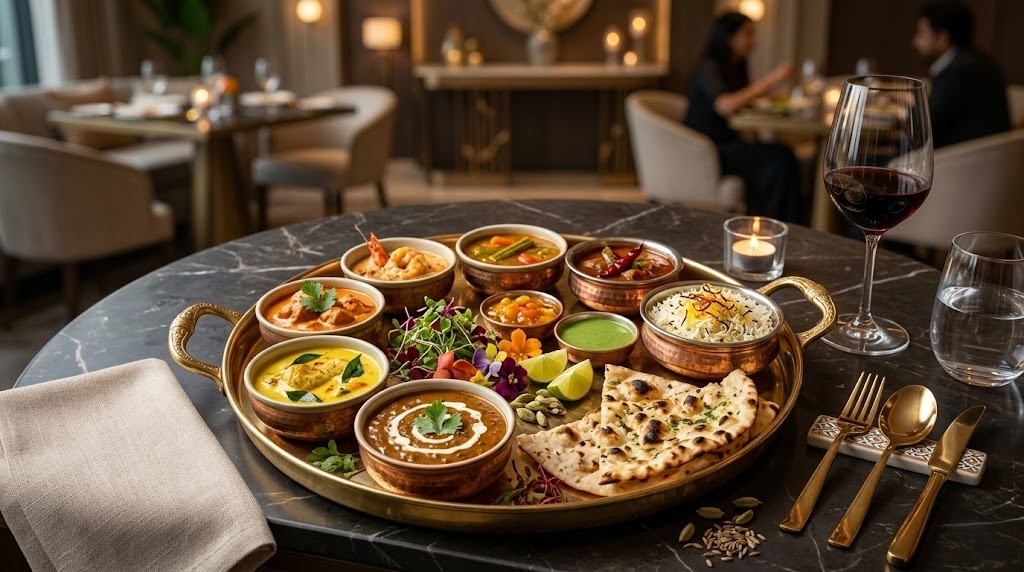
Regional Thali Tasting Menus
Curated selections showcasing different regional cuisines across multiple courses, educating diners while delivering variety
The key to successful innovation is knowledge. You can’t thoughtfully break rules you don’t understand. That’s why our culinary team invests significant time studying traditional regional techniques before attempting any contemporary interpretations.
How to Identify Authentic Regional Cuisines When Dining Out
For consumers looking to experience authentic regional Indian cuisines, here are the telltale signs of a restaurant that truly understands these distinctions:
Authenticity Indicators to Look For:
Regional Labels on Menu
Dishes should be labeled with their regional origins (e.g., “Delhi Wala Butter Chicken” not just “Butter Chicken”)
Ingredient Specificity
Menus that mention specific ingredients like “kasuri methi,” “panch phoron,” or “black cardamom” show culinary literacy
Cooking Method Transparency
Descriptions should reference traditional cooking techniques (tandoor, dum, tawa, etc.)
Staff Knowledge
Servers should be able to explain regional differences and make informed recommendations
Focused Menu
A restaurant trying to offer every regional cuisine may lack depth; specialization often indicates expertise
Appropriate Pairings
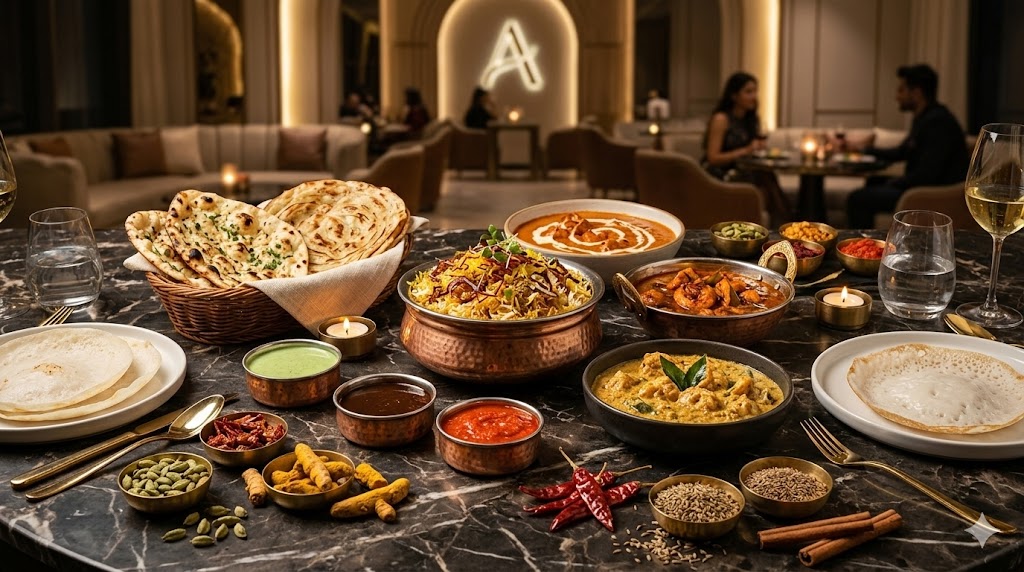
Bread recommendations should match regional dishes (naan with North Indian, appam with Kerala cuisine)
The Future: Regional Cuisines in Canada's Multicultural Landscape
As Canada’s South Asian population continues to grow and diversify, the demand for authentic regional cuisines will only intensify. Second and third-generation Canadians are increasingly seeking to reconnect with specific regional heritage through food. Simultaneously, non-South Asian Canadians are developing more sophisticated palates and seeking culinary experiences beyond the familiar butter chicken and naan.
This creates enormous opportunities for restaurants that invest in regional authenticity. Rather than competing in a crowded “generic Indian” market, venues can carve out specialized niches—becoming known as the best Hyderabadi restaurant in the city, or the only place serving authentic Bengali fish dishes.
According to the Canadian Restaurant and Foodservices Association, specialized ethnic restaurants saw a 42% increase in revenue between 2020-2024, significantly outpacing generic ethnic restaurants which grew only 18% (CRFA, 2024). The data is clear: specificity sells.
Conclusion: Celebrating Complexity
The journey from “Indian food” to understanding regional Indian cuisines is not just about expanding your palate—it’s about recognizing and celebrating cultural complexity. Every region of India has spent centuries perfecting its culinary traditions, developing techniques and flavor profiles perfectly suited to local ingredients, climate, and cultural values.
When we honor these regional distinctions, we do more than serve better food. We preserve cultural heritage, educate our communities, and demonstrate the kind of cultural respect that modern multicultural societies should embody. We acknowledge that diversity isn’t just about coexistence—it’s about celebrating the specific, unique contributions of each culture.
At TK Ultra Lounge, regional authenticity isn’t a marketing gimmick—it’s our foundation. From our Peshawri Kadhai Goat to our Hyderabadi Biryani, every dish on our menu represents a specific culinary tradition executed with integrity and expertise. We believe our guests deserve this level of sophistication, and the overwhelming response has proven us right.
Whether you’re a culinary adventurer seeking to explore India’s diverse regions through food, or you’re reconnecting with your own heritage, we invite you to experience the difference that regional authenticity makes. Contact us today to make a reservation or learn more about our regionally-focused menu. Because once you understand the complexity, you’ll never settle for generic again.
Resources and References
Culinary Institute of India. (2023). Regional Culinary Traditions of India: A Comprehensive Survey. New Delhi: Indian Culinary Research Foundation.
Indian Council of Agricultural Research (ICAR). (2024). Agricultural Diversity and Regional Cuisine Development in India.
International Journal of Gastronomy and Food Science (IJGFS). (2024). Consumer Preferences for Regional Authenticity in Ethnic Restaurants. Vol. 35, pp. 124-138.
Canadian Restaurant and Foodservices Association (CRFA). (2024). Specialized Ethnic Restaurant Revenue Growth Study 2020-2024.
Sengupta, R. & Chakrabarti, M. (2023). The Cultural Geography of Indian Regional Cuisines. Journal of South Asian Studies, Vol. 28(2), pp. 245-267.
FAQs
Regional Indian cuisines refer to the distinct culinary traditions that developed in different parts of India based on local ingredients, climate, culture, and historical influences. Each region has its own cooking techniques, flavor profiles, and signature dishes that make it unique.
Indian cuisine is highly diverse because of the country’s geography, cultural diversity, and agricultural variety. India has dozens of languages, climates ranging from mountains to tropical coasts, and centuries of cultural influence, all of which shaped unique regional cooking traditions.
Some of the most recognized regional cuisines include Punjabi and Delhi cuisine in the north, Hyderabadi cuisine in south-central India, Kashmiri cuisine in the Himalayan region, Kerala cuisine in the southwest, Bengali cuisine in eastern India, and Gujarati cuisine in western India.
Regional authenticity ensures that dishes are prepared using traditional ingredients, techniques, and flavor profiles specific to their place of origin. This preserves cultural heritage and allows diners to experience the true diversity of Indian cuisine rather than a simplified version.
Punjabi cuisine is known for rich, creamy gravies, tandoor cooking, and dairy-heavy dishes such as butter chicken and dal makhani. Hyderabadi cuisine focuses on aromatic rice dishes like biryani, layered cooking techniques such as dum, and Mughlai-influenced spices.
Authentic regional dishes are usually labeled with their regional origin on menus and include specific ingredients or cooking methods associated with that region. Knowledgeable staff and focused menus are also indicators of restaurants that specialize in regional cuisines.
Fusion dishes can still respect authenticity when they are built on traditional techniques and flavor foundations. Modern chefs often reinterpret regional dishes while maintaining their original culinary identity.
As multicultural communities grow and diners become more adventurous, people are increasingly interested in authentic culinary experiences. Restaurants that highlight specific regional cuisines provide deeper cultural insight and more distinctive dining experiences.

Swaran Sandhu
Swaran Sandhu has 8+ years of experience in the HoReCa industry and a passion for writing about food, restaurants, and Indian cuisine.